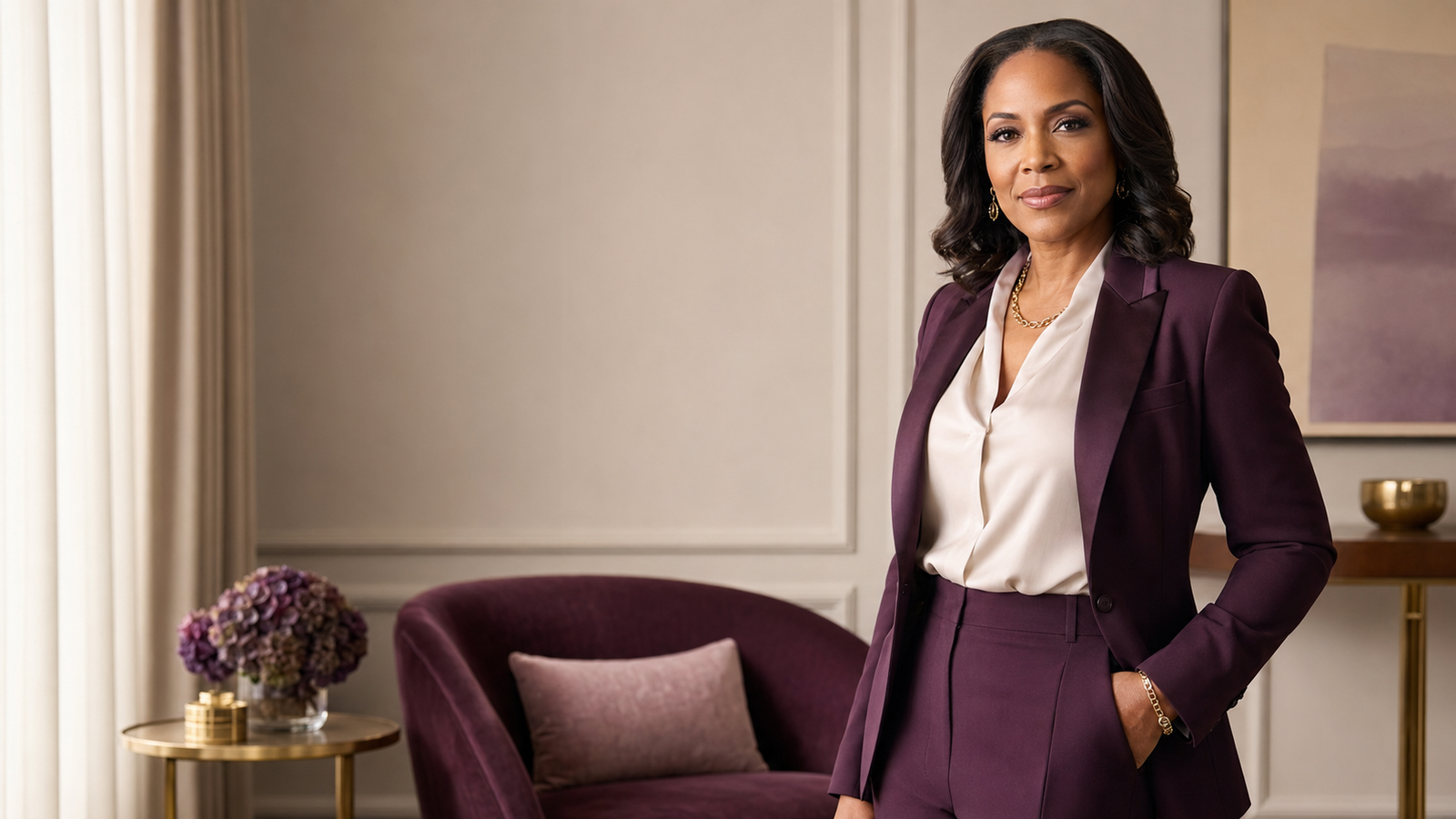
 motivather
Elegance is often mistaken for appearance.
People associate it with beautiful clothing, polished manners, expensive surroundings, and knowing exactly which fork to use at dinner. Those things can contribute to how a woman presents herself, but true elegance begins much deeper.
An elegant woman is not simply well dressed. She is self-aware.
She knows how to enter a room without demanding attention and how to leave an impression without performing for approval. She treats people with dignity, communicates with confidence, and carries herself with intention.
Her confidence does not require her to be the loudest woman in the room. Her character is not abandoned when no one is watching. Her class is not determined by money, titles, labels, or social status.
Elegance is the harmony between who a woman is, how she treats people, and how she presents herself to the world.
Confidence: Knowing Who You Are
True confidence is not built on applause. It grows from knowing your values, recognizing your strengths, and trusting yourself to handle what comes next.
A confident woman does not need to prove that she belongs in every room. She prepares herself, enters with purpose, and contributes with assurance.
1. Know what you bring to the room
Before you enter an interview, meeting, event, or unfamiliar social setting, remind yourself of your experience, expertise, and value.
You are not there by accident.
You do not have to exaggerate your accomplishments or minimize them. Learn to speak about your work clearly and confidently.
2. Stop apologizing for taking up space
Some women have developed the habit of apologizing before they speak.
“Sorry, but I have a question.”
“Sorry to bother you.”
“Sorry, this may not be important.”
Unless an apology is truly necessary, remove it. Ask the question. State your position. Make the request.
Your voice does not become more acceptable because you made it smaller first.
3. Let your posture communicate confidence
Stand tall. Relax your shoulders. Lift your head. Make appropriate eye contact.
Your posture affects how others perceive you, but it also affects how you feel about yourself. Carry yourself as though you expect to be treated with respect.
4. Speak clearly and at a measured pace
Nervousness can cause you to rush, mumble, overexplain, or fill every silence.
Slow down.
Take a breath before responding. Allow your words to land. A thoughtful pause often communicates more confidence than a hurried answer.
5. Prepare before important moments
Preparation is one of the quietest forms of confidence.
Know the names of the people you are meeting. Research the organization. Review the agenda. Practice your introduction. Bring what you need.
When you are prepared, you are free to be present.
Character: Who You Are When It Matters
Appearance may attract attention, but character determines what people remember.
Character is revealed through consistency. It is reflected in how you respond when you are disappointed, inconvenienced, corrected, or given authority.
An elegant woman understands that how she treats people matters just as much as what she achieves.
6. Treat everyone with dignity
Class is not demonstrated by how you treat powerful people. It is demonstrated by how you treat people who cannot offer you anything in return.
Acknowledge the receptionist. Thank the server. Learn the assistant’s name. Be patient with the new employee.
Courtesy should not depend on someone’s title.
7. Keep your word
If you say you will call, call. If you commit to something, follow through. If circumstances change, communicate promptly.
Reliability is a form of respect.
People should not have to chase you for what you promised.
8. Take responsibility when you are wrong
An elegant woman does not avoid accountability to protect her image.
She can say, “I was wrong,” “I should have handled that differently,” and “I apologize.”
A sincere apology does not make you weak. It demonstrates maturity, humility, and emotional intelligence.
9. Refuse to participate in gossip
Gossip may create temporary connection, but it weakens trust.
If someone constantly shares other people’s private business with you, they will likely share yours too. Be careful about conversations that require another woman’s embarrassment for your entertainment.
You can change the subject, offer a more gracious perspective, or simply refuse to participate.
10. Practice discretion
Not everything needs to be announced, posted, explained, or defended.
There is wisdom in knowing what to share, when to share it, and with whom. Privacy is not secrecy. It is stewardship.
11. Manage your emotions without denying them
Elegance does not mean pretending you are never angry, disappointed, or hurt.
It means learning how to express those feelings without becoming reckless. You can be honest without being cruel. You can be firm without becoming disrespectful.
Self-control allows you to respond according to your values instead of reacting according to the moment.
Class: How You Move Through the World
Class is not a price tag. It is consideration in action.
It is knowing how your behavior affects the people around you. It is respecting the occasion, honoring your commitments, and making others feel comfortable without abandoning yourself.
12. Dress with intention
You do not need an expensive wardrobe to present yourself well.
Choose clothing that is clean, appropriate, well fitting, and aligned with the setting. Pay attention to grooming, fit, fabric, and finishing details.
The goal is not to impress everyone. The goal is to communicate that you understand the environment and have prepared accordingly.
13. Learn the expectations of the room
Different spaces have different standards.
The expectations at a formal dinner will differ from those at a networking reception, corporate meeting, community event, or virtual call. Learning the customs of a space allows you to move through it with greater ease.
Etiquette is not about making people feel inadequate. It gives people the knowledge to feel prepared.
14. Introduce yourself with confidence
Your introduction should be brief, clear, and appropriate for the occasion.
State your name clearly. Offer a warm greeting. Share enough context to begin the conversation without delivering your entire résumé.
For example:
“Hello, I’m Regina Coley. I’m the CEO of MotivatHER, where we help women develop the confidence, leadership, and presence to make their mark.”
A strong introduction creates an opening for connection.
15. Remember names and use them
Using someone’s name communicates attention and respect.
When you are introduced, repeat the person’s name naturally. If you forget it, ask again rather than avoiding the person for the rest of the event.
16. Put your phone away
Your phone should not become the most important guest at the table.
During meals, meetings, and meaningful conversations, keep it out of your hand unless there is a genuine need. Giving someone your full attention has become rare, which makes it even more powerful.
17. Practice gracious conversation
Elegant conversation requires more than speaking well. It requires listening well.
Ask thoughtful questions. Avoid interrupting. Do not turn every story back toward yourself. Notice whether one person is being excluded and make room for them.
Good conversation should feel like an exchange, not a competition.
18. Respect other people’s time
Arrive on time. End meetings when promised. Respond to invitations. Give appropriate notice when plans change.
Chronic lateness often communicates that other people’s time is less valuable than your own.
19. Send the thank-you note
Gratitude never goes out of style.
Send a thoughtful message after an interview, introduction, gift, dinner, referral, or meaningful act of support. Be specific about what you appreciated.
A thank-you note is small, but it leaves a lasting impression.
20. Make people feel comfortable
One of the most beautiful qualities of an elegant woman is her ability to put others at ease.
She does not use etiquette to embarrass people. She does not correct every minor mistake publicly. She does not make someone feel inferior because they are unfamiliar with a custom.
The purpose of good manners is not to prove that you know more. It is to create respect, confidence, and consideration within the space.
Executive Presence: When Elegance Meets Leadership
Executive presence is the ability to communicate credibility, composure, and confidence.
It is not reserved for corporate executives. Entrepreneurs, educators, ministry leaders, nonprofit professionals, and emerging leaders all benefit from learning how to present ideas, navigate professional settings, and build trust.
21. Know your message
Before speaking, determine what you want people to understand, remember, or do.
A clear message strengthens your authority. Too many explanations can weaken an otherwise valuable point.
22. Contribute with purpose
Do not speak merely to prove that you are present. Listen carefully, organize your thoughts, and add something useful to the conversation.
Your contribution should move the discussion forward.
23. Learn how to disagree professionally
You can challenge an idea without attacking the person who shared it.
Try phrases such as:
“I see the issue differently.”
“I would like us to consider another perspective.”
“I understand the concern. My recommendation would be…”
Respectful disagreement demonstrates confidence and maturity.
24. Remain composed under pressure
People pay attention to how leaders respond when something goes wrong.
Take a breath. Assess the situation. Ask questions. Avoid assigning blame before you understand what happened.
Composure does not mean you are unaffected. It means you are capable of leading yourself before attempting to lead others.
25. Understand that warmth and authority can coexist
You do not have to become cold to be taken seriously.
You can be approachable and decisive. You can be gracious and firm. You can smile and still hold a boundary.
Your warmth does not weaken your authority when your words, standards, and actions remain clear.
Elegance Is Practiced
No woman is born knowing how to navigate every social and professional setting.
These skills are learned.
Confidence can be strengthened. Communication can be refined. Professional presence can be developed. Etiquette can be taught.
The goal is not perfection. The goal is preparation.
You are not trying to become a manufactured version of what someone else considers acceptable. You are learning how to present the strongest, wisest, and most authentic version of yourself.
An elegant woman knows who she is.
She values character more than attention.
She understands the power of preparation.
She treats people with respect.
She moves with confidence, consideration, and class.
Most importantly, she knows that her presence has the power to shape every room she enters.
Ready to Strengthen Your Etiquette and Executive Presence?
MotivatHER offers etiquette and executive presence training designed to help women, teams, and organizations communicate with confidence, navigate professional environments, and make a polished, powerful impression.
Whether you are preparing emerging leaders, developing a stronger workplace culture, or investing in your own professional growth, we can create a training experience that meets your needs.
Explore MotivatHER’s Etiquette and Executive Presence Training and invite us to help you or your organization show up with greater confidence, credibility, and class.


 motivather





 Writer